
Artificial Intelligence (AI) is no longer a futuristic concept; it’s a transformative force that is actively reshaping how students learn, study, and master new concepts. Far from replacing the human teacher, AI is acting as a powerful, personalized study assistant, making education more efficient, accessible, and tailored to every individual learner.
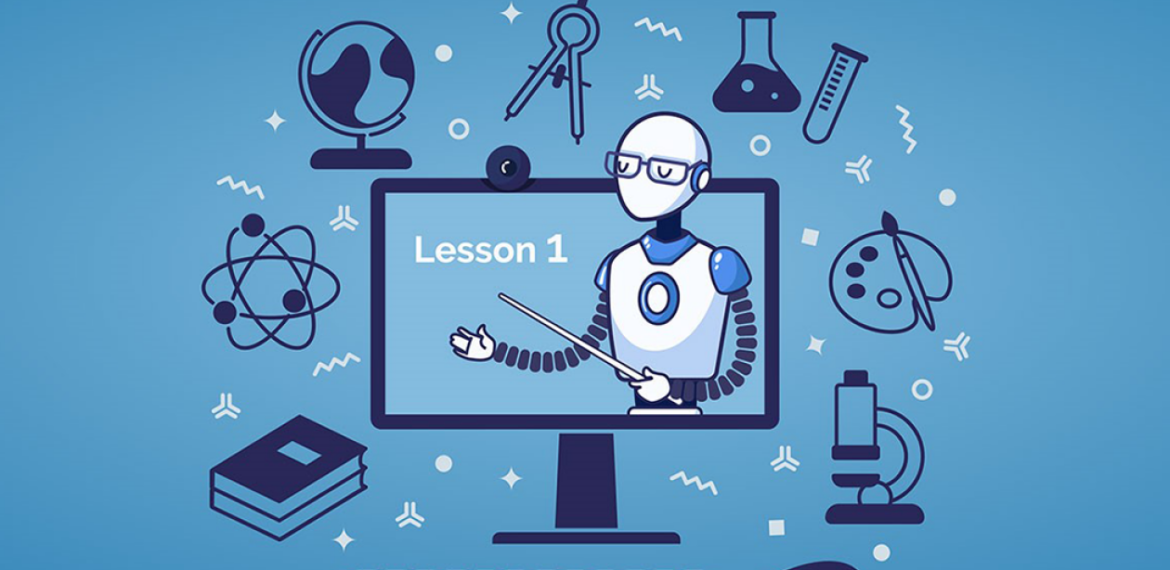
The Power of Personalized Tutoring (24/7)
The most significant benefit of AI in studying is its ability to offer personalized, adaptive learning experiences that traditional methods cannot match.
Intelligent Tutoring Systems: Platforms use AI algorithms to continuously track a student’s performance, strengths, weaknesses, and learning pace. If you struggle with algebraic equations, the system will provide extra practice and simpler explanations until you achieve mastery. If you ace a chapter, it moves you forward without unnecessary review, ensuring optimal engagement.
Tools in Action: Platforms like DreamBox and Carnegie Learning’s MATHia use this adaptive approach to create individualized learning paths.
Instant Clarification: General-purpose AI models like ChatGPT and Google Gemini serve as 24/7 intelligent tutors. Students can ask complex questions and receive immediate, simplified explanations, examples, or analogies on demand, eliminating the need to wait for a teacher’s office hours.
Optimizing Study Time and Content Creation
AI excels at automating repetitive, time-consuming study tasks, allowing students to spend more time actually learning and less time organizing.
Automatic Summaries and Notes: Tools can instantly transform large documents, textbooks, lecture recordings (audio files or videos), and PDFs into concise, structured notes and summaries. This drastically reduces the time spent on manual note-taking.
Automatic Summaries and Notes: Tools can instantly transform large documents, textbooks, lecture recordings (audio files or videos), and PDFs into concise, structured notes and summaries. This drastically reduces the time spent on manual note-taking.
Tools in Action: Mindgrasp and StudyFetch allow users to upload course materials and instantly generate summaries, notes, and study sets.
Automatic Summaries and Notes: Tools can instantly transform large documents, textbooks, lecture recordings (audio files or videos), and PDFs into concise, structured notes and summaries. This drastically reduces the time spent on manual note-taking.
Flashcard and Quiz Generation: Instead of manually typing out hundreds of flashcards, AI tools can analyze your notes or textbook chapters and automatically generate flashcards and practice quizzes tailored to the material.
Automatic Summaries and Notes: Tools can instantly transform large documents, textbooks, lecture recordings (audio files or videos), and PDFs into concise, structured notes and summaries. This drastically reduces the time spent on manual note-taking.
Tools in Action: Dedicated Flashcards AI features within study platforms can turn a lecture into a quiz in seconds.
Automatic Summaries and Notes: Tools can instantly transform large documents, textbooks, lecture recordings (audio files or videos), and PDFs into concise, structured notes and summaries. This drastically reduces the time spent on manual note-taking.
“Chat with Your PDF”: Students can upload dense academic papers or textbooks and use AI tools (ChatPDF, Perplexity AI) to ask specific questions about the document’s content. The AI acts as a search engine for the uploaded file, providing highly relevant answers and sometimes even direct citations.
Automatic Summaries and Notes: Tools can instantly transform large documents, textbooks, lecture recordings (audio files or videos), and PDFs into concise, structured notes and summaries. This drastically reduces the time spent on manual note-taking.